
Delivery designed for traceability, verification, and controlled environments.
Workflows can be delivered in configurations that minimise data transfer and preserve control of intermediate artefacts. The appropriate setup is defined during scoping based on data sensitivity, access constraints, and the required audit trail. This can include local processing of corpora and controlled handling of intermediate outputs, with only the necessary deliverables shared externally.
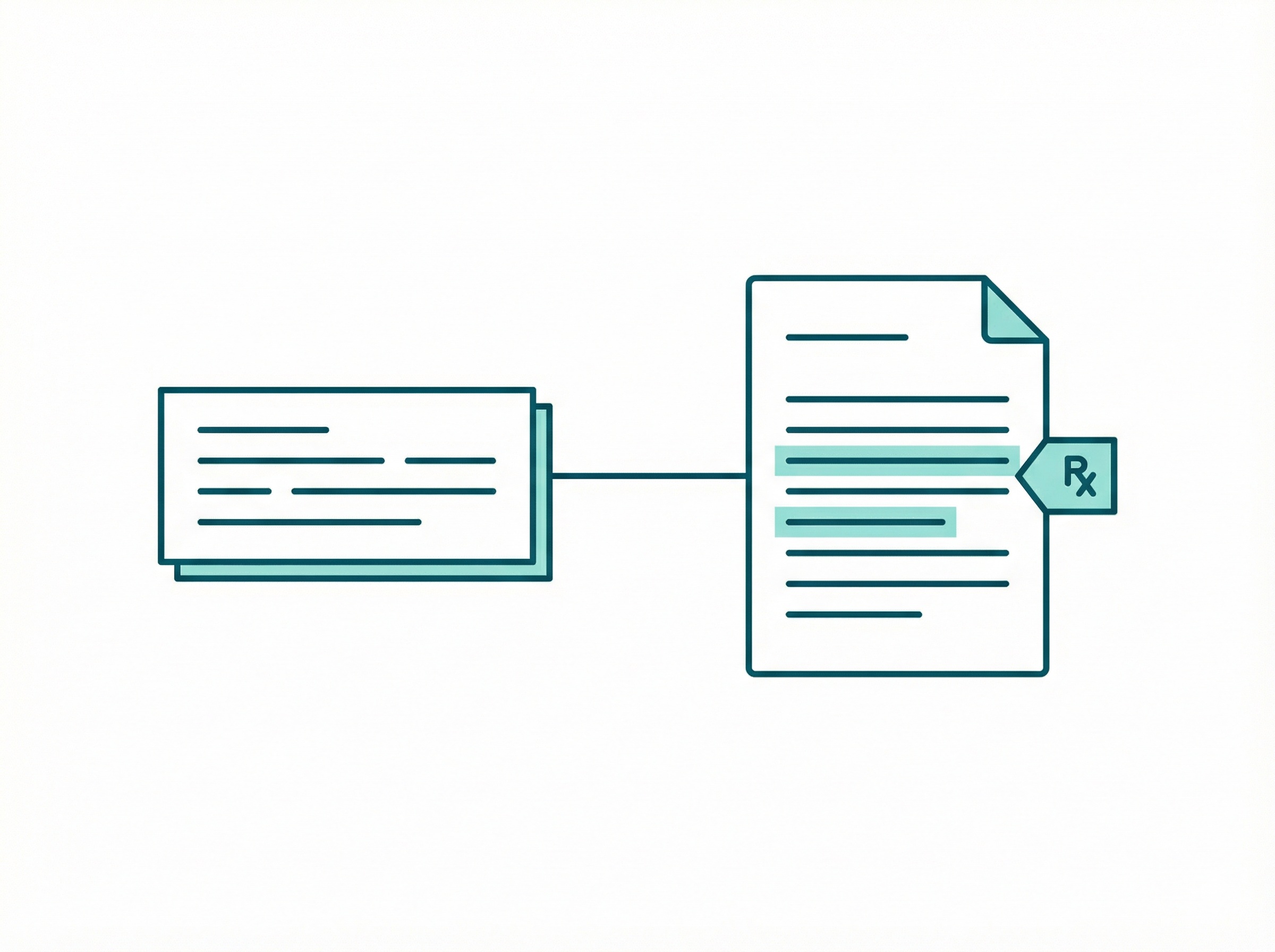
Substantive outputs are delivered with an evidence trail that links claims, extracted obligations, and quantitative parameters to source passages. This supports review, reuse, and defensible reporting. Where evidence is conflicting or incomplete, the limitation is recorded explicitly rather than smoothed over.
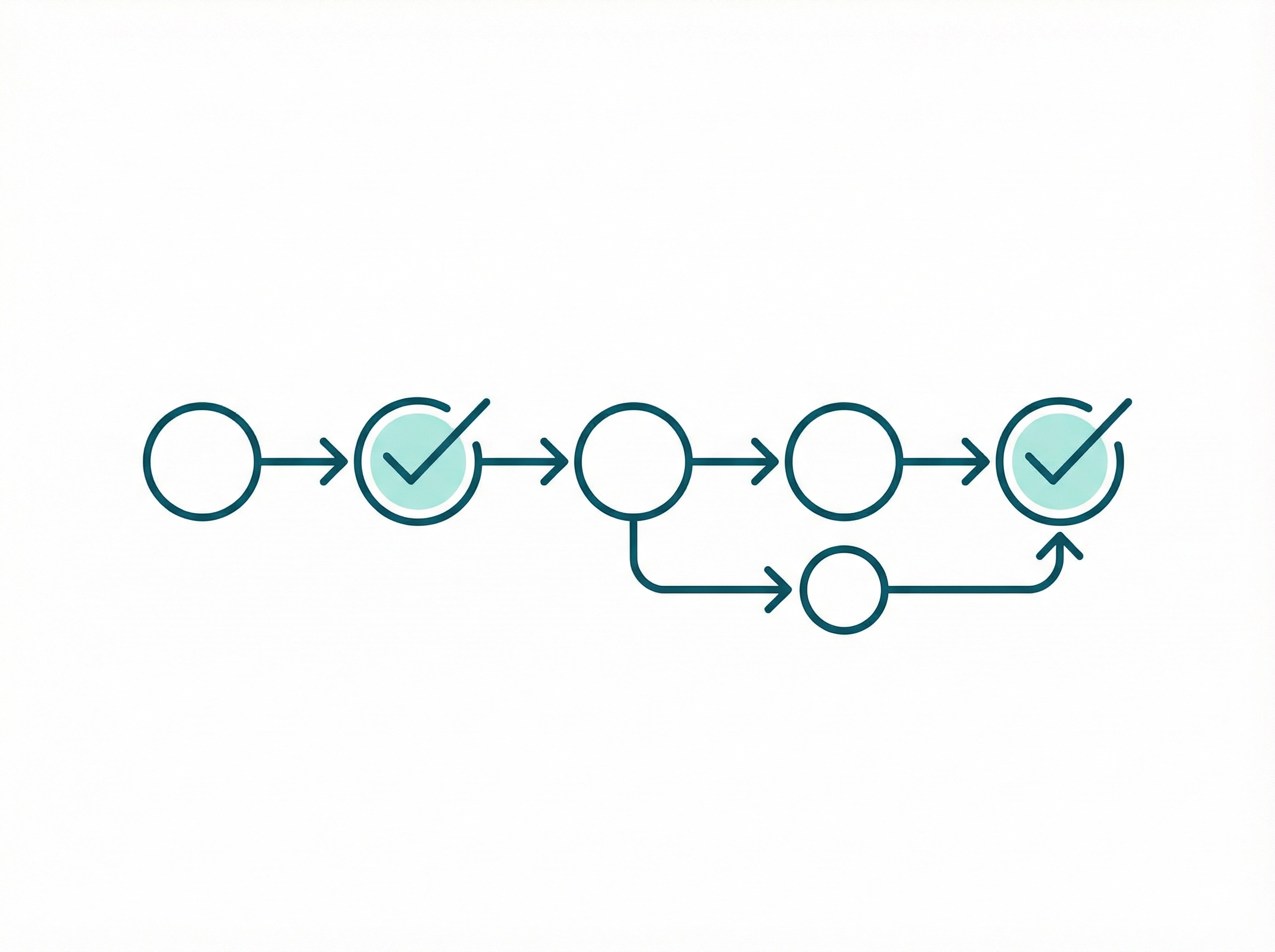
Verification checkpoints are defined for high-impact steps, such as obligation interpretation, quantitative parameter extraction, and conclusions that depend on ambiguous evidence. Cross-checking across sources and sampling-based review procedures are used to manage model error. The objective is not to treat model output as authoritative, but to accelerate structured work while keeping conclusions defensible.
Where feasible, outputs are delivered as structured registries and documented analytical artefacts so that updates to the corpus, assumptions, or policy questions can be incorporated efficiently. Versioning and change logs can be maintained to support iterative work across project phases.
Data minimisation is applied. Retention periods and access rules are agreed at the start of an engagement. Personal data is processed only where necessary for the agreed scope and is handled in line with the chosen delivery configuration and client requirements.
It does not provide automated legal determinations. It does not treat model-generated text as evidence without source grounding. It does not substitute for formal legal review where interpretation is required.